- Home
- News
- Path of Exile 2
- Path of Exile 2 — Update 0.5.0 Return of the Ancients: Complete Overview
Path of Exile 2 — Update 0.5.0 Return of the Ancients: Complete Overview
Path of Exile 2's 0.5.0 update, Return of the Ancients, has been fully revealed following its livestream presentation, and it is easily the most wide-reaching update the game has seen so far. It is a full restructuring of how the endgame functions, touching the Atlas, crafting systems, league mechanics, Ascendancies, and even how players are guided through progression.
Grinding Gear Games walked through the update in detail in a pre-livestream presentation, breaking down both the systems themselves and the thinking behind them. A Q&A session with Jonathan Rogers offered additional context that did not make it into the broadcast. This article covers everything from the major system reworks down to the Q&A details that reframe how several systems are meant to be understood.
0.5.0 Is the Final Major Early Access Update
Before the content — the most important announcement: 0.5.0 is confirmed as the final major Early Access update before Path of Exile 2 reaches 1.0. Full release is planned for 2026 after ExileCon, marking this as the last large-scale content expansion before launch.
Everything in Return of the Ancients is Grinding Gear Games' statement of intent for what PoE 2 looks like at 1.0. The systems added here aren't experiments — they're the foundation.
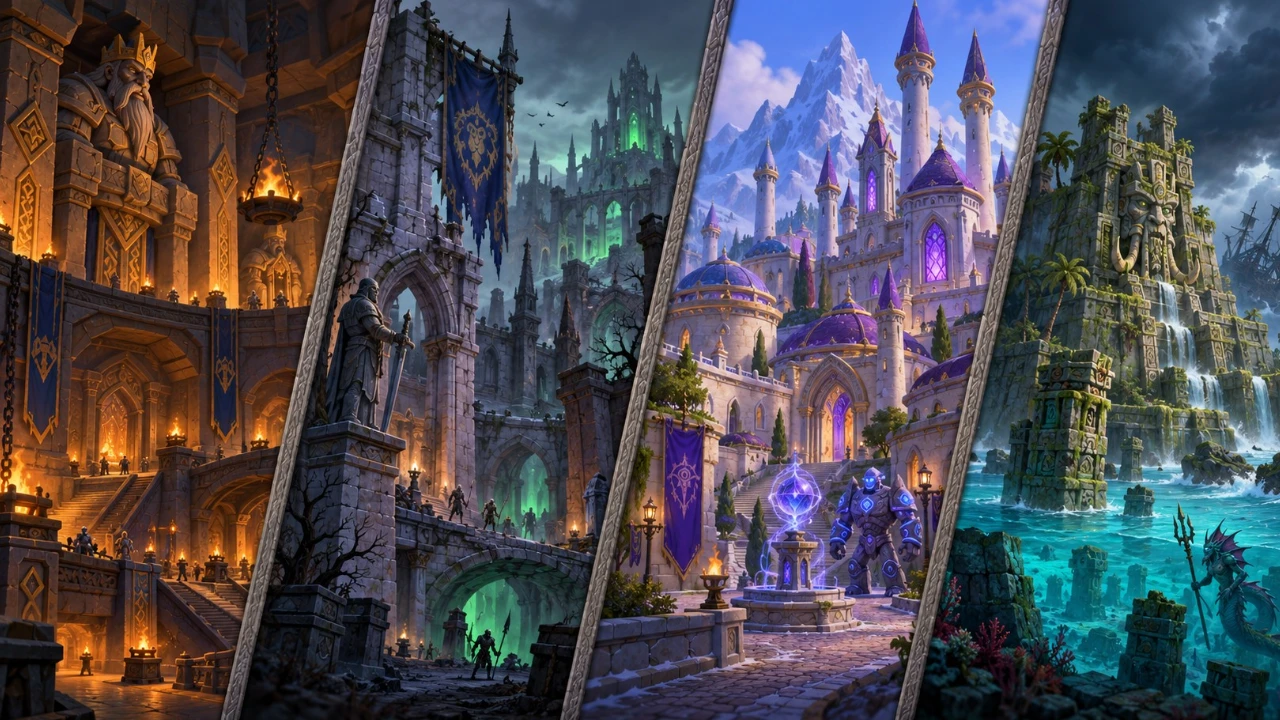
Endgame Structure — Clearer Progression, Same Depth
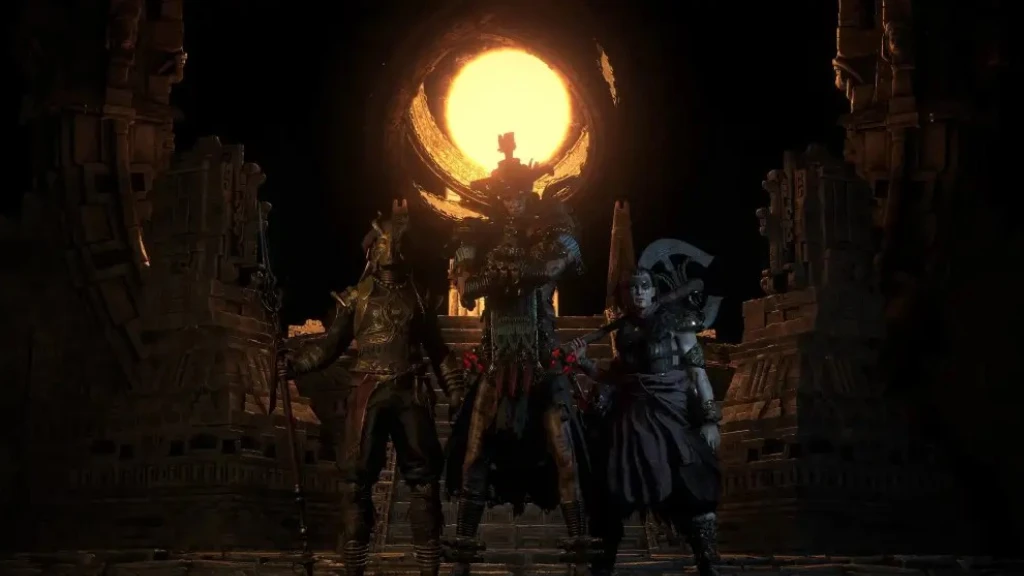
One of the biggest shifts in this update is how much more structured the endgame now feels. Instead of the Atlas being a sprawling web of loosely connected systems, Return of the Ancients introduces clear endgame storylines that guide progression in a direct way. There is still freedom in how you approach content, but that freedom now sits inside a framework that actively communicates intent.
These storylines directly influence how you interact with encounters and progression paths. GGG emphasized that the goal is to reduce confusion without flattening depth. Instead of piecing systems together through trial and error, players now move through a clearer chain of objectives that naturally guide progression across the endgame.
Boss progression is one of the clearest examples of this redesign. Every major endgame boss, including returning encounters, is now tied to dedicated questlines rather than random access mechanics. That removes long-standing uncertainty around when or how you unlock key fights, while still preserving difficulty scaling and optional challenge layers. GGG made sure to clarify that those who enjoy the wanderlust path will still get it, if desired.
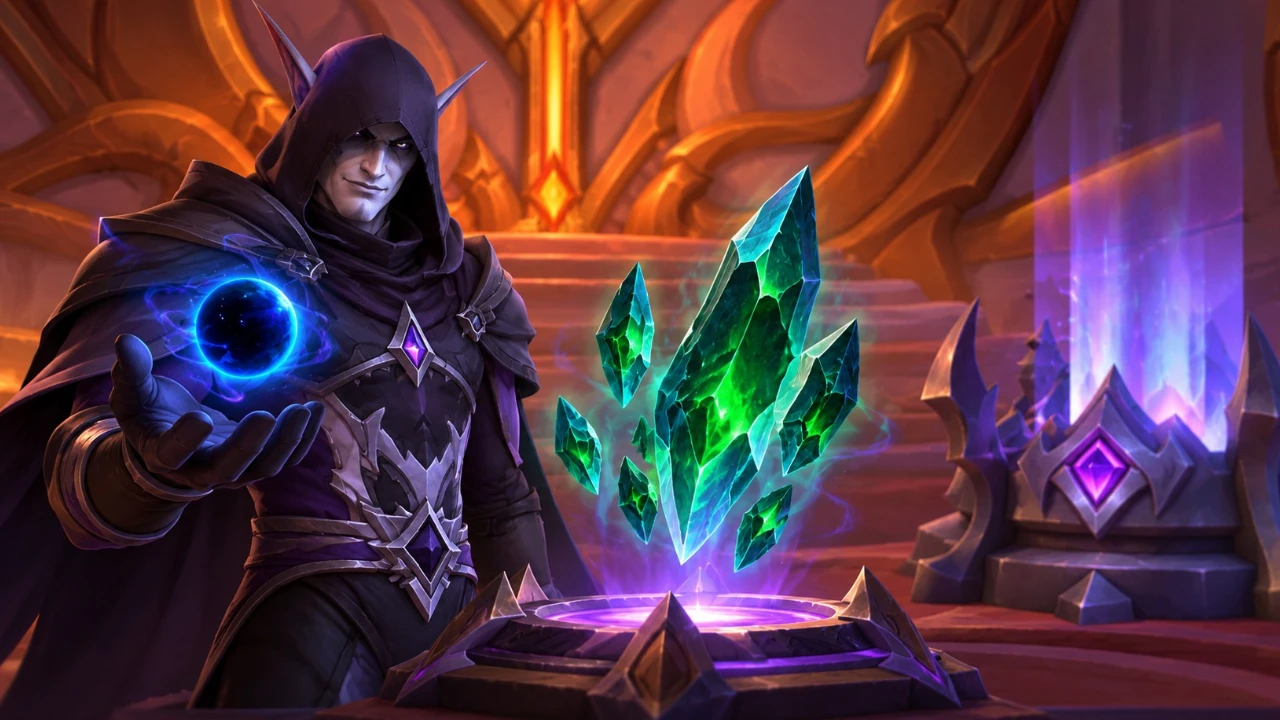
Runes of Aldur — New League and Ezomyte Runesmithing
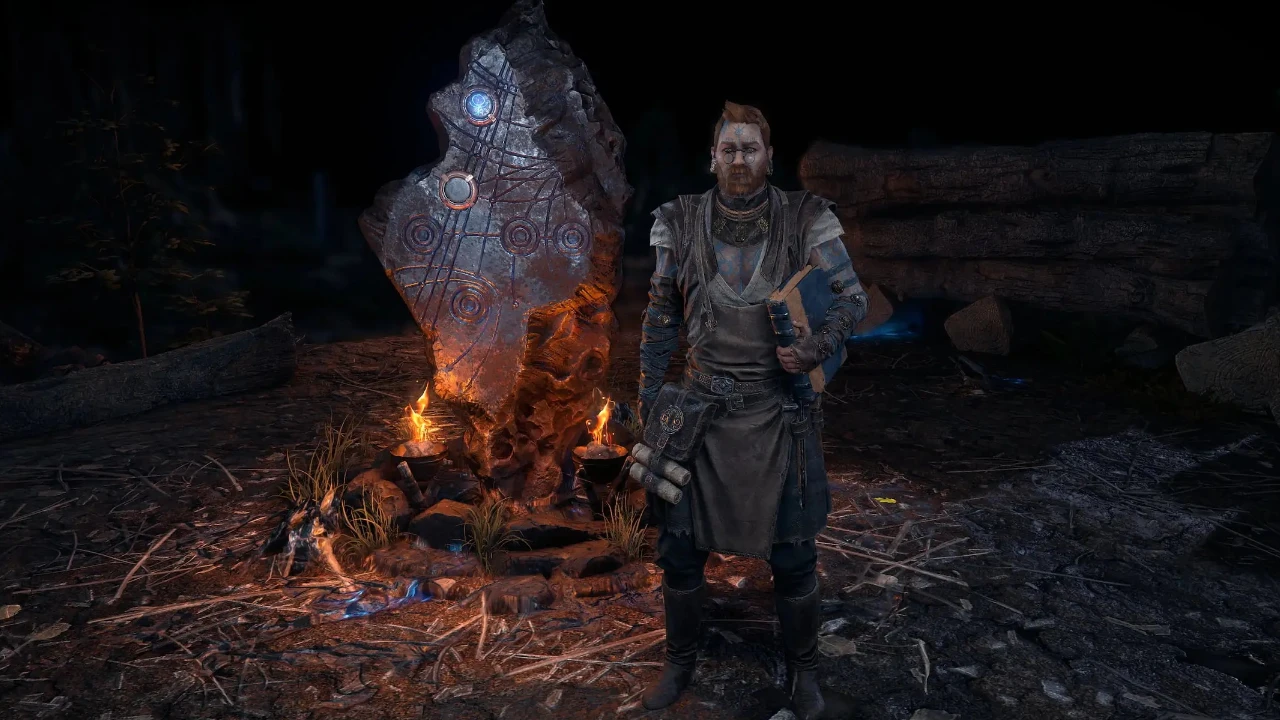
Runes of Aldur is the brand new league introduced in this update, and it leans heavily into a new crafting system called Ezomyte Runesmithing, introduced through the blacksmith Farrow. You interact with Ezomyte Remnants found throughout maps and inscribe runes onto them. Doing this generates different kinds of crafted rewards — from basic currency to more specialized socketable items, depending on how you mix and match symbols.
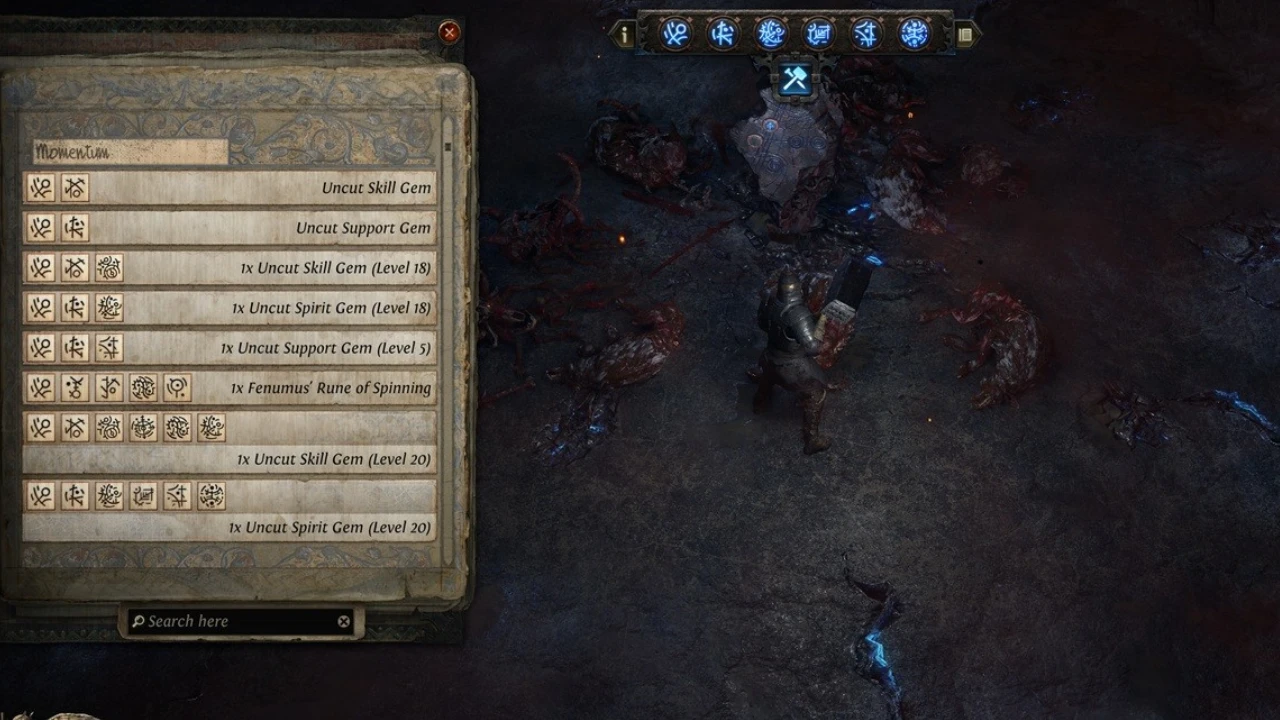
The twist is that every crafting decision has consequences. Activating a Remnant wakes up nearby enemies, and their abilities scale based on the runes you used. Fire choices mean fire-flinging enemies, Moon choices mean celestial hazards dropping mid-fight. The more ambitious your rune setup, the more chaotic the encounter becomes — crafting is tied directly to combat difficulty in real time.
Progression deepens the system by adding more rune slots to Remnants, which means better loot potential but also tougher fights layered with multiple enemy waves. The league introduces Verisium and a new Runic Ward system, which acts as a secondary defensive pool, a crafting currency, and a fuel source for abilities that don't rely on mana. It also opens the door to more flexible, class-agnostic builds that can be mixed with standard skill gems.
Over 100 new runes are included, including meta options like elemental conversion and modifier manipulation tools that push crafting into experimental territory. All of this feeds into a broader endgame shift where the Atlas becomes a more structured space of fixed objectives, culminating in large-scale fortress encounters and evolving map mechanics that feel closer to a directed campaign layered on top of endgame mapping.
Runic Ward — Explained
Runic Ward is designed as a flexible combat and crafting resource that can be used offensively or defensively. Both offensive and defensive uses pull from a shared pool. During the campaign it leans toward empowering player builds, while in endgame it becomes more of a trade-off resource.
Atlas Rework — Expression Over Efficiency
The Atlas has been completely reworked. The Passive Tree has had a shift in philosophy: instead of pushing players toward a single optimized path, the system now emphasizes flexibility and expression. It is less about solving the most efficient route and more about deciding what kind of endgame experience you want to repeat and refine over time.
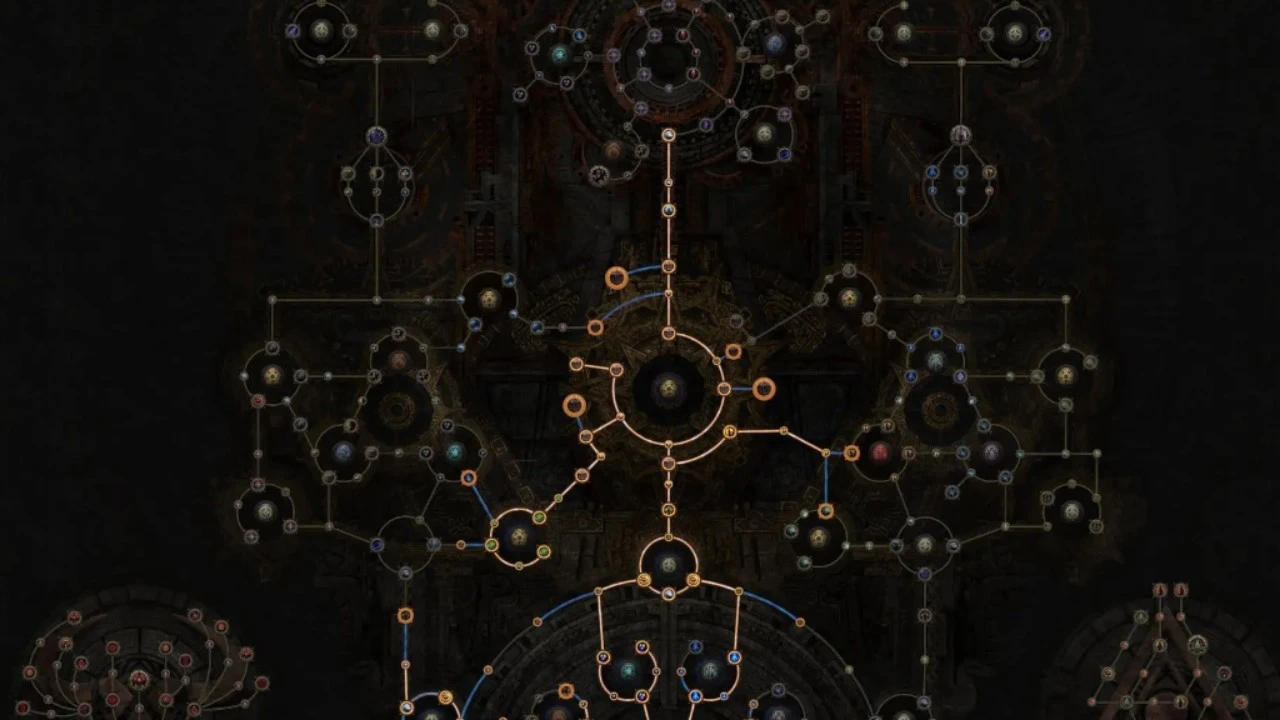
Hybrid nodes are a key part of this redesign. Rather than offering simple stat increases, they combine mechanics that change how encounters behave. Certain combinations now allow multiple boss encounters to appear together — an example shown in the livestream had Act 1 and Act 2 bosses appearing in the same fight simultaneously.
Brand new Atlas Ascendancies further expand this flexibility. Players can align with different Atlas figures such as Doryani, granting unique bonuses like monster-focused hunting benefits or ritual-enhancing effects. These bonuses can be swapped between maps without heavy friction, creating a more adaptive endgame where you shift focus depending on build goals or content preference.
League Mechanics — Fully Integrated and Expanded
One of the most important structural changes in Return of the Ancients is how the older league mechanics have been updated and unified under the clearer endgame framework. Delirium, Breach, Ritual, Expedition, and Abyss no longer feel like separate systems existing in parallel. Each one now has a defined role within the Atlas, complete with progression paths, mechanical identity, and structured escalation. Most importantly, each comes with new encounters, bosses, loot, and new pinnacles that stand above older ones.
Delirium
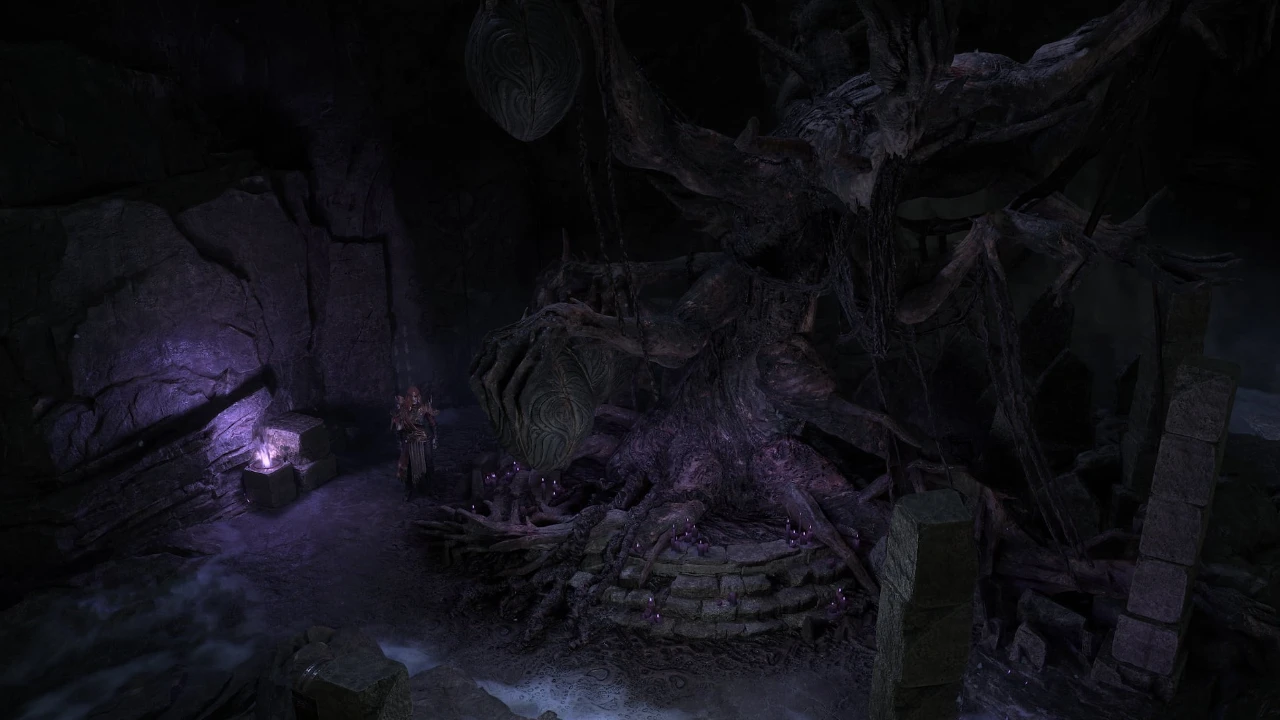
Delirium now features a visible depth indicator that tracks how far players are pushing into the fog. This removes guesswork and replaces it with clear escalation feedback. Players now know exactly how deep they are going and how far they are willing to risk. As you push deeper, enemy density and intensity scale in a more readable way, turning what used to feel like aimless pressure into structured escalation. Rewards are now more transparently tied to depth — the deeper you go, the harder it gets, with tons of new content unlocking as you descend.
Breach
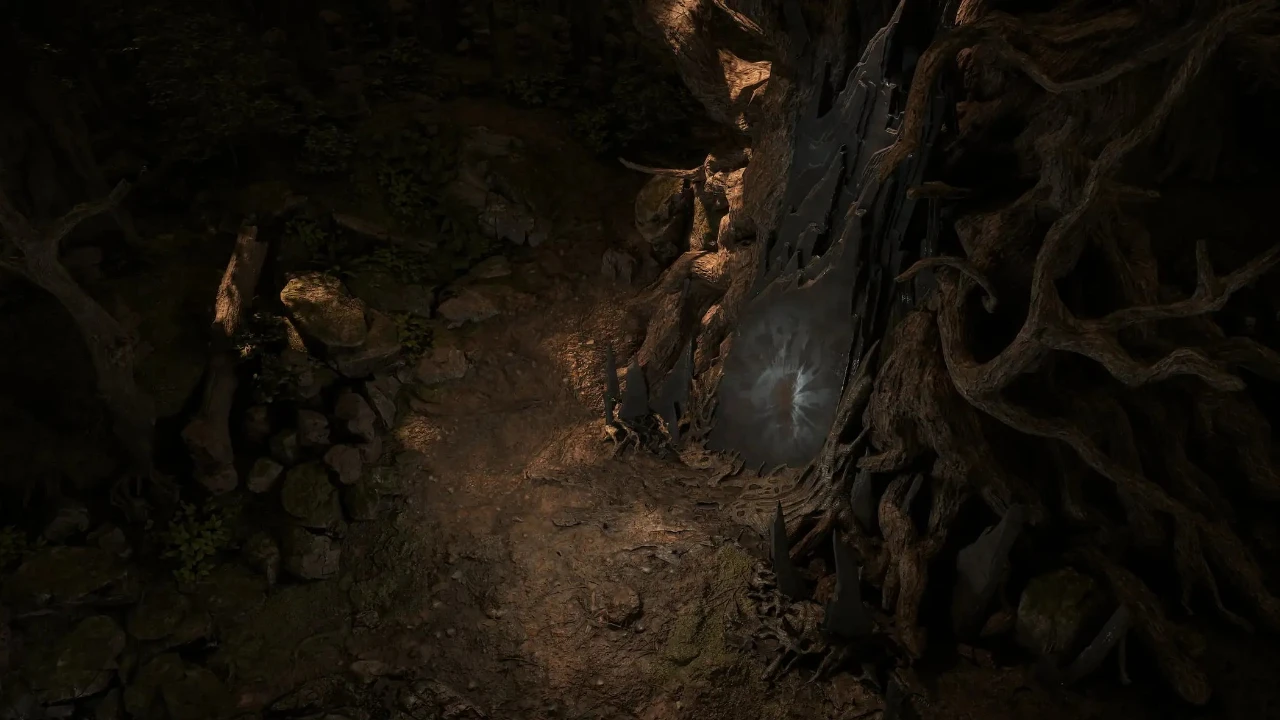
Breach has been redesigned to reward sustained engagement rather than quick clears. Instead of simply opening and rushing through, players are now incentivized to maintain control over time as kills extend the encounter. This creates a more controlled escalation curve where performance directly determines how long and how dangerous the Breach becomes. Once extended far enough, Breaches shift into an enraged phase where enemy pressure increases significantly — a structural change in encounter behavior that forces players to decide how far they want to commit.
Ritual
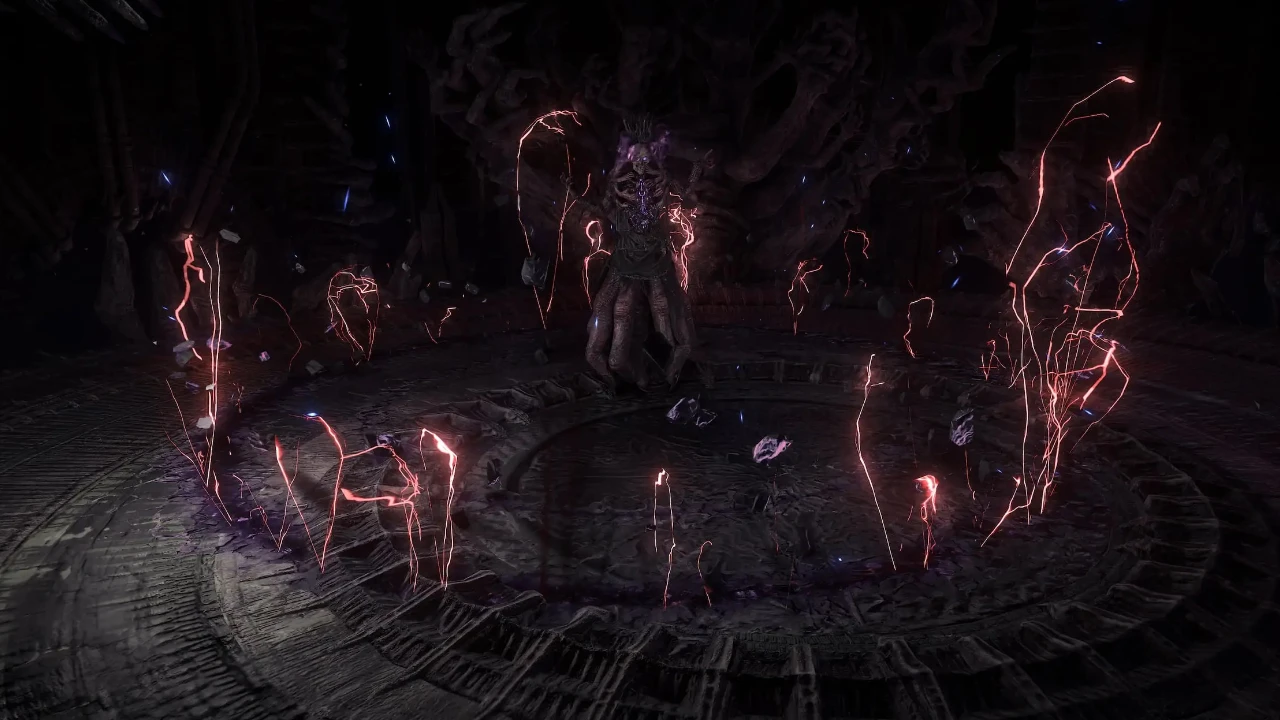
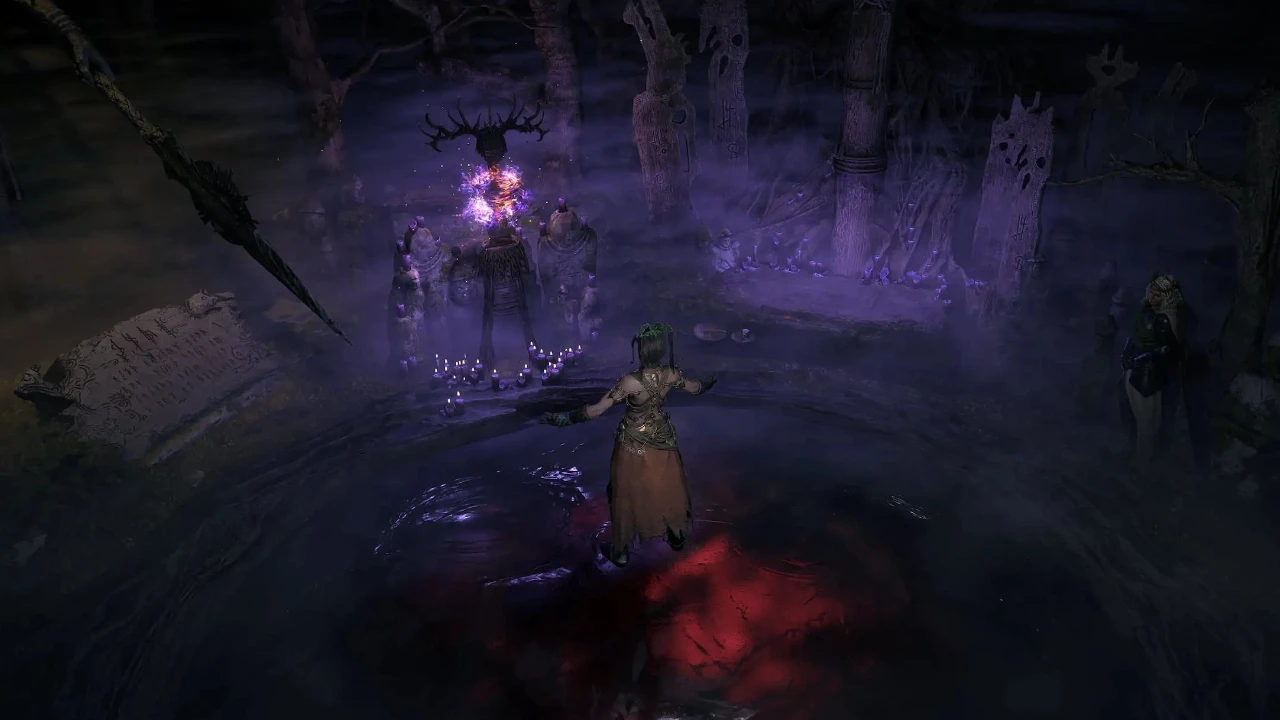
Ritual now functions as a structured escalation system tied closely to narrative progression. After your first endgame encounter, the introduction of Aoife and the Wildwood creates a clear narrative anchor that carries forward through subsequent Rituals. Each encounter increases in difficulty and consequence, building toward higher-stakes scenarios. Rewards are now restricted to Uniques and Omens only, significantly increasing the weight and value of each interaction. Progression toward the King in the Mists becomes a defined goal, but reaching it requires sustained engagement with increasingly demanding encounters.
Expedition
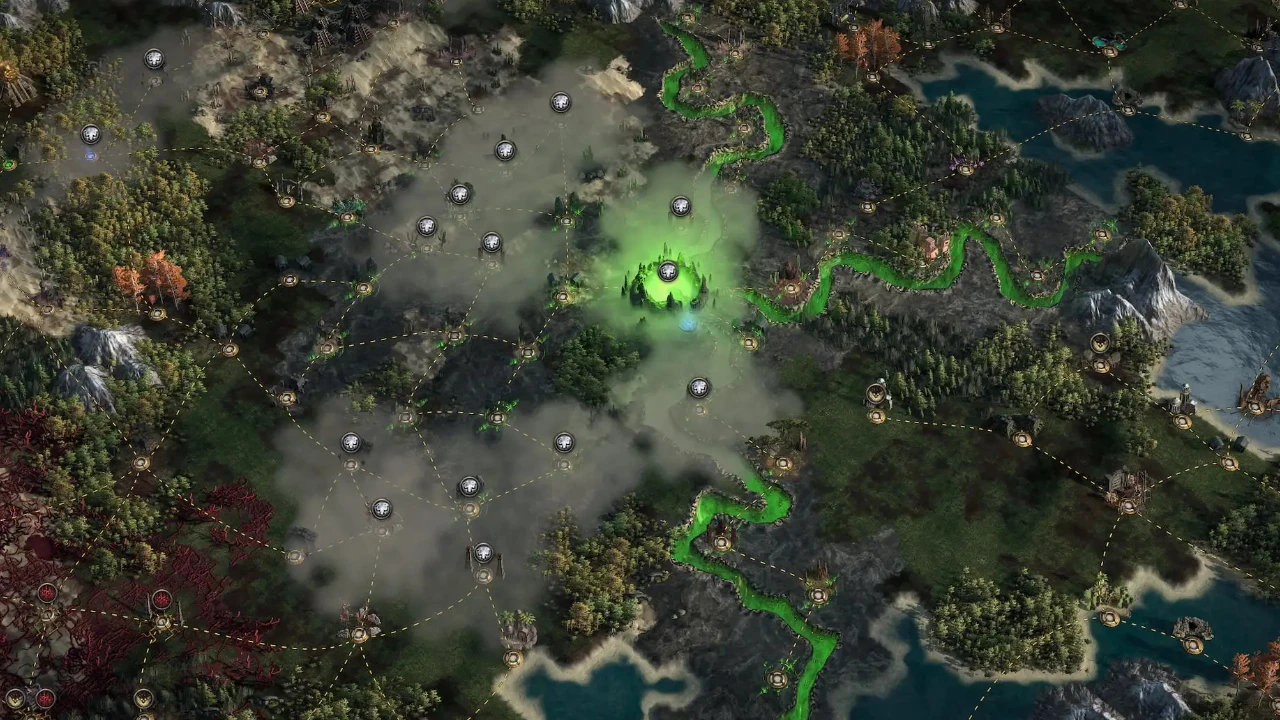
Expedition has been expanded into a full ocean exploration system that shifts its identity toward discovery rather than static mapping. Players now venture into the surrounding ocean on expeditions across procedural routes that lead to islands, encounters, and bosses. Deeper exploration introduces more complex encounters and narrative threads tied to Kalguuran artifacts and Verisium anomalies. Bosses like Medved and Uhtred serve as milestones within this structure, linking progression to both exploration and combat. The system creates a more deliberate rhythm that prioritizes discovery over speed.
Abyss
When you first encounter an Abyss in the endgame, it now triggers a questline that sends you toward massive Abyssal fractures that appear directly on the endgame map. Each map along these large Abyssal fractures contains modified Abyss encounters with special properties. At the end of each Abyss path, players enter Abyssal Depths, which culminates in a boss fight against one of the Abyssal factions. Completing all three faction encounters ultimately unlocks a key to the Well of the Souls, granting access to the Vessel of Kulemak.
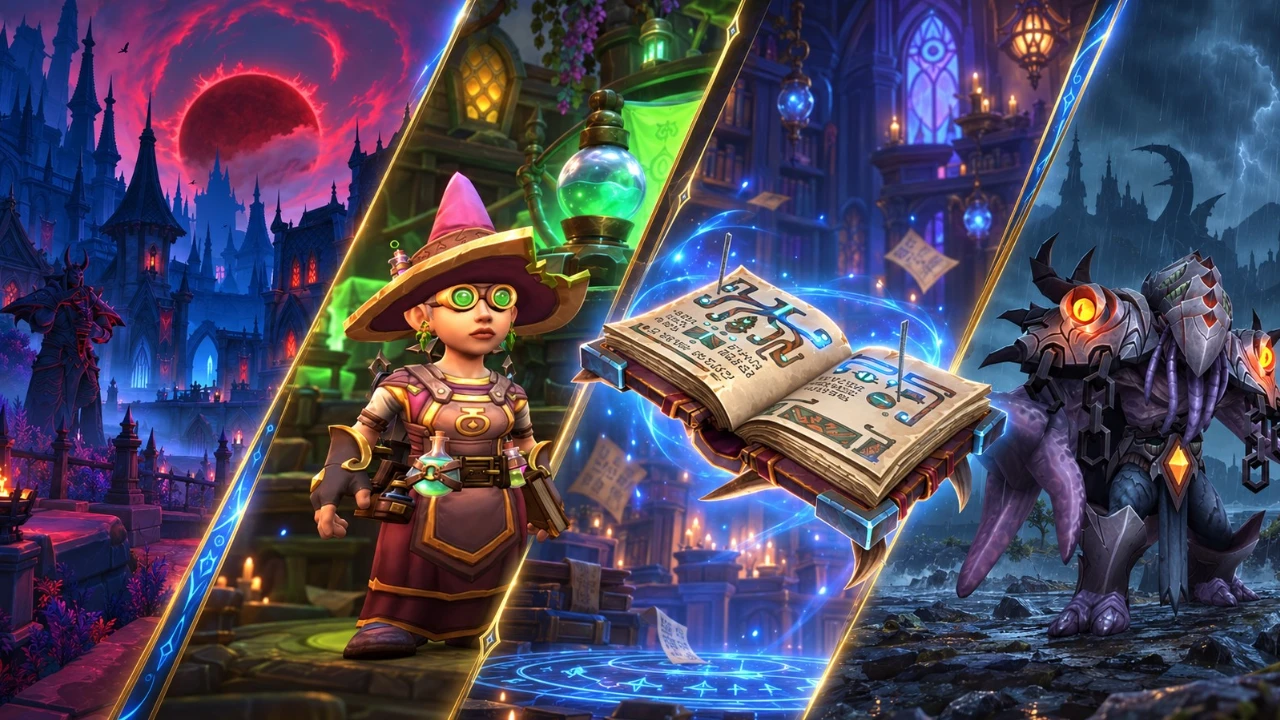
New Ascendancies — Spirit Walker and Martial Artist
Spirit Walker (Amazon)
The Spirit Walker revolves around familiar Azmerian spirits tied to animal aspects: the Stag, Owl, and Bear. Each spirit meaningfully alters gameplay direction. Stag-focused builds lean into stampede-style engagements, Owl-based setups emphasize ranged enhancement and projectile empowerment, and Bear attunement provides a bear spirit companion that can be augmented with buffs from the Ascendancy.
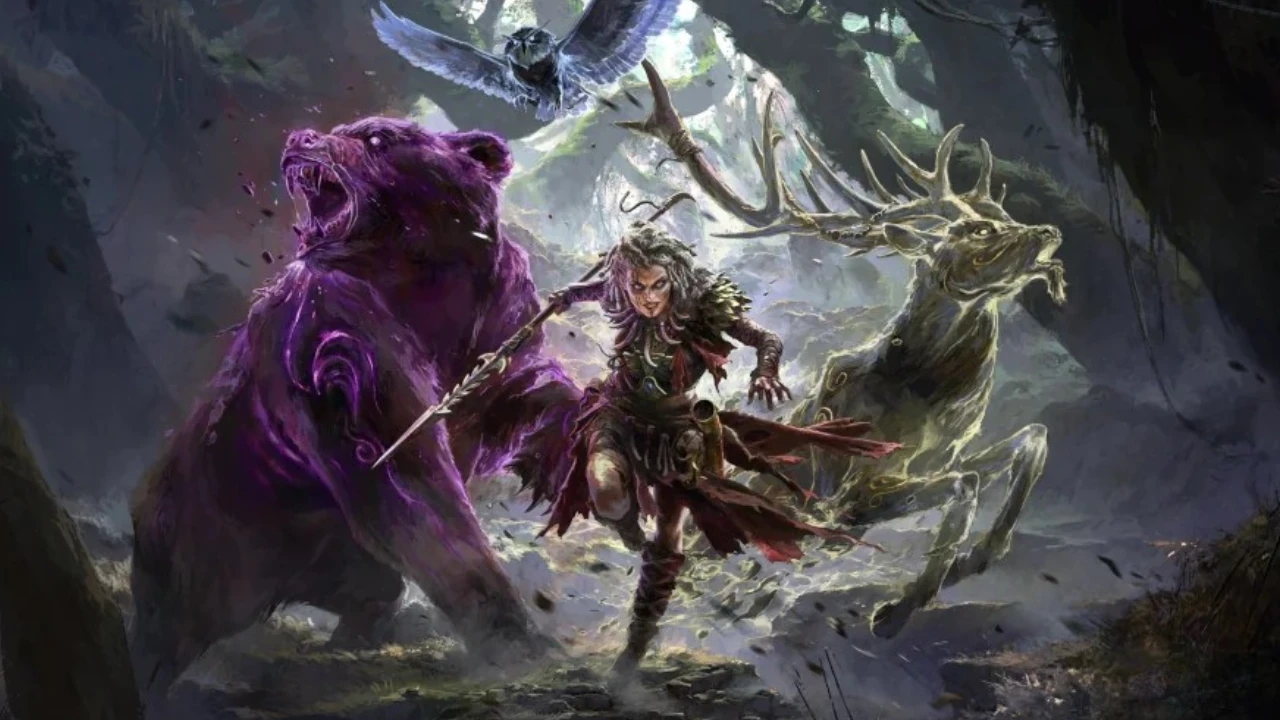
The Spirit Walker interacts with systems like Idolatry and beast taming, allowing you to bring powerful creatures like the Chimeral Beast or Frozen Talon into your arsenal as active allies. The Spirit Walker can tame beast bosses to do their bidding — something no other Ascendancy in the game can accomplish.
Martial Artist (Monk)
The Martial Artist rewards timing and flow. Chaining attacks properly leads to amplified effects that feel like building momentum in real time. It creates a combat style that is noticeably more deliberate, where player input directly shapes output rather than just triggering passive scaling.
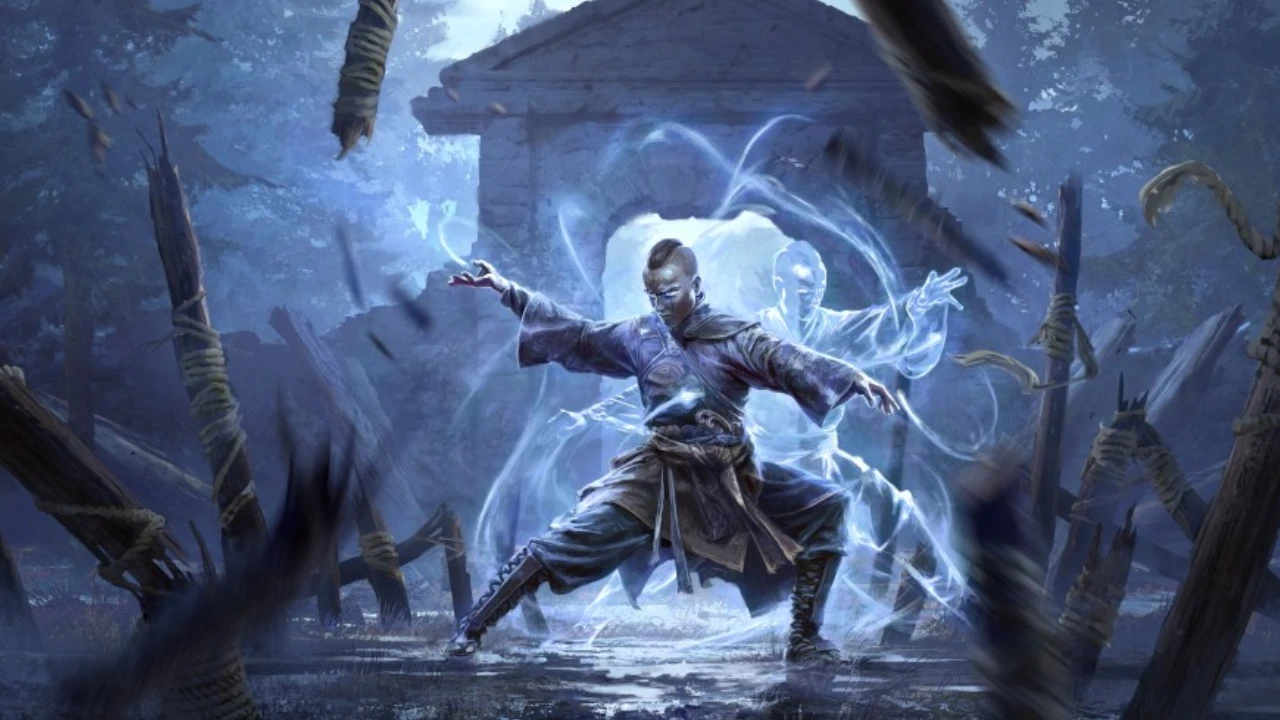
Martial Artists can create echoing attack clones that repeat their strikes, effectively multiplying damage when positioned correctly. They can also manifest spectral constructs like bell-like detonations that punish enemies in clustered fights, turning positioning into a core part of their damage loop. A unique runic tattoo mechanic allows multiple runes to be socketed directly into your character rather than a piece of loot — giving it a distinct identity even among other Ascendancies.
Quality of Life — Build Guide System and Navigation
Campaign progression now includes clearer environmental guidance that helps players naturally navigate zones without needing external references. In early areas like Hunting Grounds, visual trails such as locust paths now lead directly toward objectives after completing encounters, while environmental storytelling like blood trails from creatures now naturally guide players toward boss locations. Simple additions like signposts directing players toward key locations help reduce early-game uncertainty without removing exploration entirely.
The Build Guide system is one of the most significant additions in this category. Community creators can now publish structured .build files that appear directly in the client, breaking down passive trees, Ascendancy choices, skill gems, support links, and item recommendations in a guided format. Platforms like Maxroll.gg already support this system, allowing players to download a build externally and immediately load it in-game with step-by-step progression notes — including level-based transitions and gear swap recommendations. It turns build following from something you juggle across tabs into something you actually experience inside the game itself.
POPULAR NEWS