- Home
- News
- Path of Exile 2
- Path of Exile 2 — Runes of Aldur League Guide: Everything You Need to Know
Path of Exile 2 — Runes of Aldur League Guide: Everything You Need to Know
Runes of Aldur is the league mechanic driving Path of Exile 2's biggest update to date. The concept traces back to Farrow — a young seeker of runes from eastern Ezomyr — who is uncovering the forgotten bond between ancient Ezomyte traditions and forbidden Kalguuran craftsmanship. The league introduces an entirely new risk-reward crafting loop that runs from the opening moments of Act 1 all the way into the deepest layers of endgame mapping.
The update contains over 30 new monster types, 150 new Runes, Runic Alloys, Runeforging, new Unique items, new bosses and Pinnacle Bosses, and dozens of new Kalguuran Skills, Supports, Buffs, and the Runic Ward defensive system.
How Ezomyte Remnants Work
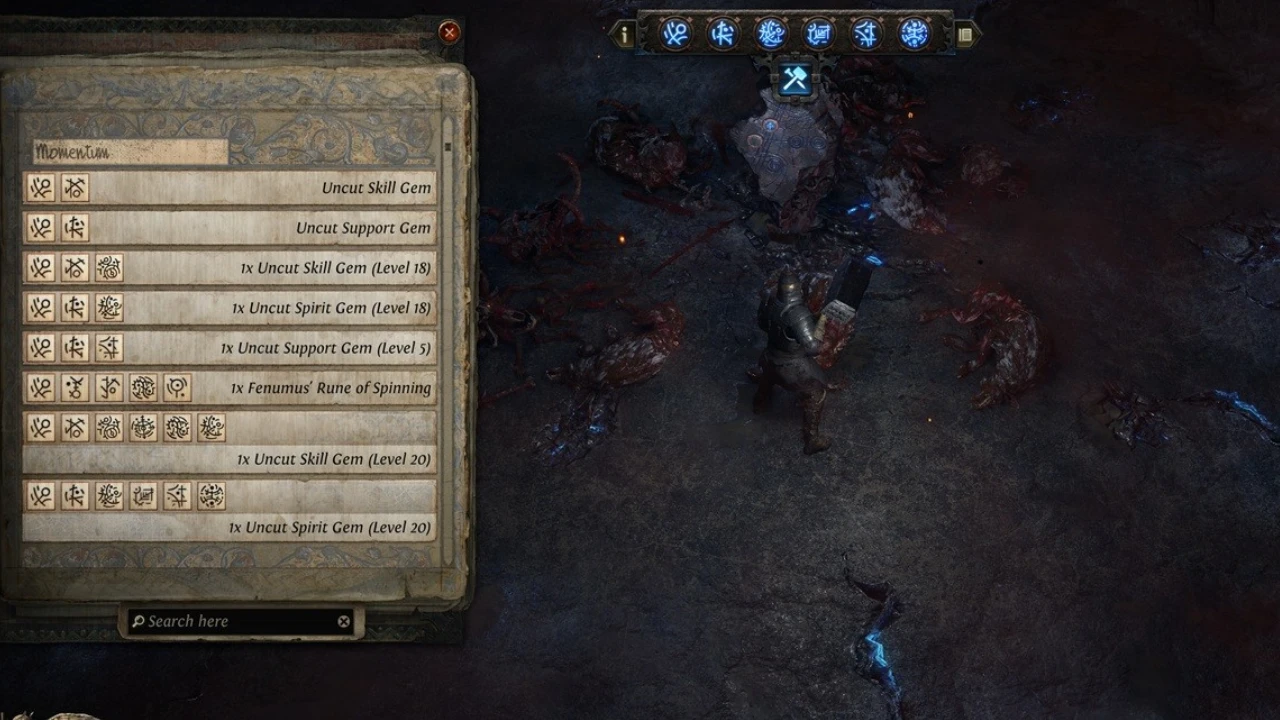
In each area of the campaign and endgame, players will find ancient Ezomyte Remnants which give them a choice between a series of Runes and Currency items. Once a selection has been made, enemies empowered by these Runes will spawn and players will have to defeat them to collect their reward.
The process works in two stages. First, you defeat the monsters guarding the Remnant. Then you select your rewards, which resurrects those same enemies — now empowered with buffs tied to your chosen runes. Kill them again to claim the loot. Any Rune combinations you discover are permanently recorded in your Runebook and remain available for future Remnants.
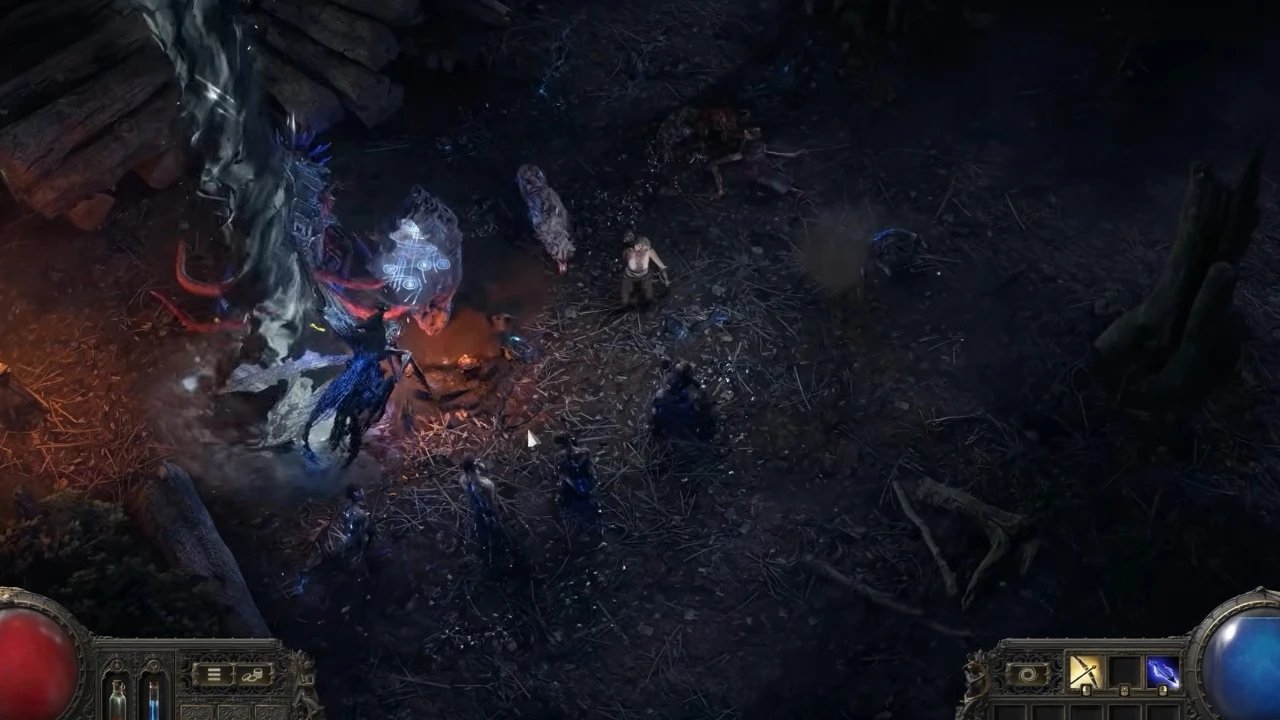
In the beginning, you'll only get Remnants with two runeword slots, but the number scales all the way up to eight slots in the endgame. More slots means more monster waves, each one successively stronger as additional rune effects stack. Some combinations also trigger environmental hazards — moonbeams shooting down from the sky are one confirmed example.
For example, combining a Tempest and Lightning Rune creates an Orb of Augmentation. But be warned: the more Runes used, the more waves of monsters will spawn, and these enemies gain increased damage and difficulty — making the most ambitious combinations a serious combat test.
Rune Combinations — What You Can Craft
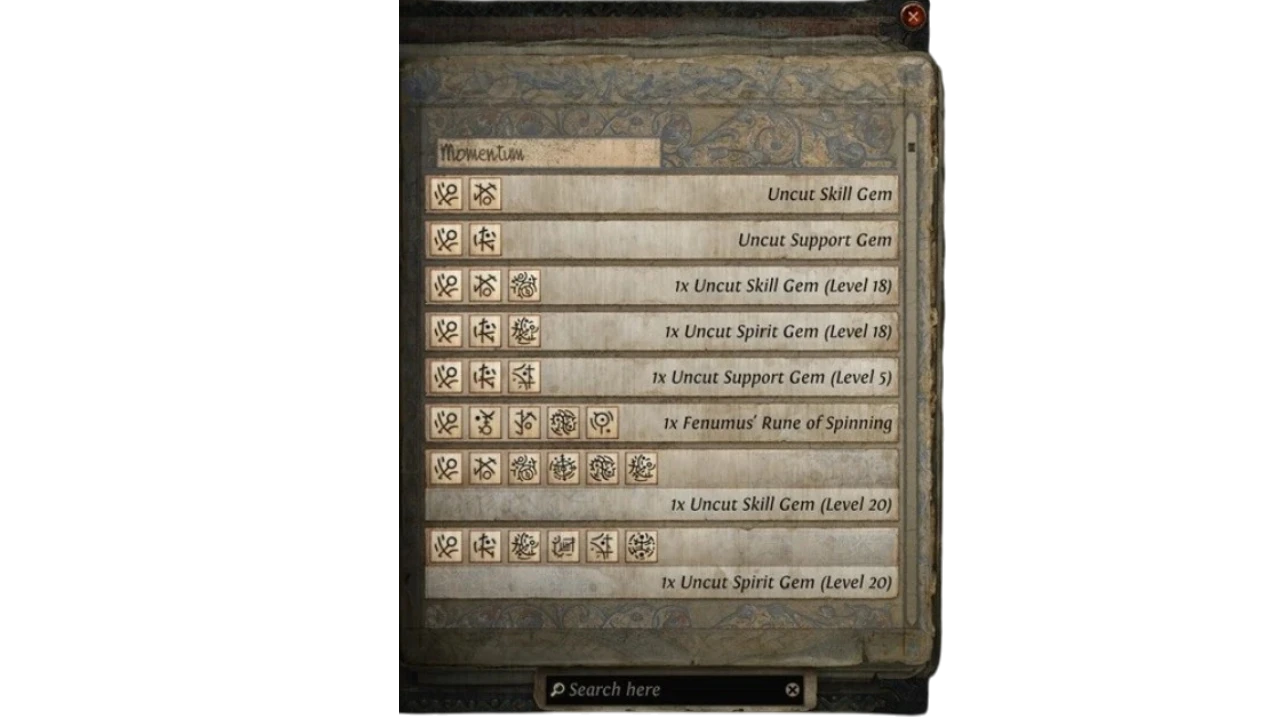
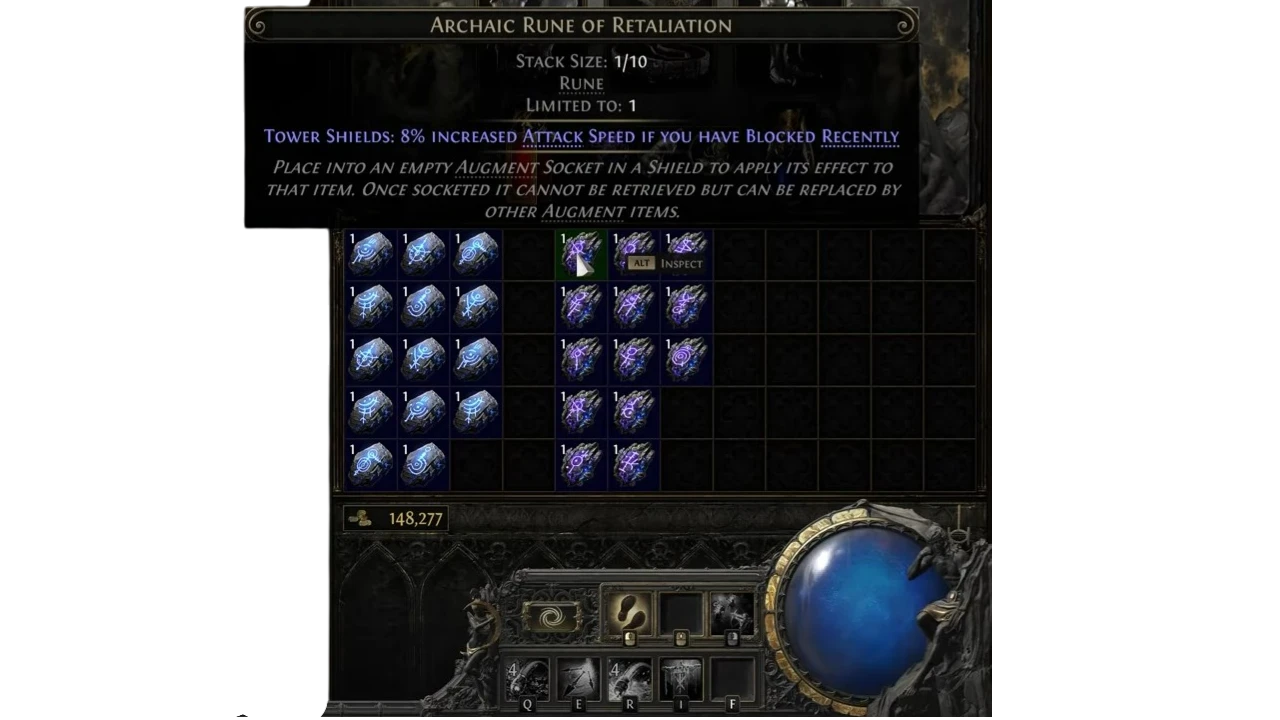
Further into the campaign, players can make larger combinations that result in more than basic currency — specific Runes can be socketed into Augment Sockets to improve gear. Over 150 new Runes have been added to Runes of Aldur, allowing players to fully tailor their Augment Sockets to their build's needs.
A major lore twist underpins the progression: as you follow Farrow's story, you'll discover the origin of the Remnants isn't Ezomyte at all — they're actually Kalguuran. This revelation changes the nature of the mechanic and opens up deeper systems in the mid and late campaign.
Runic Ward — New Defensive Layer
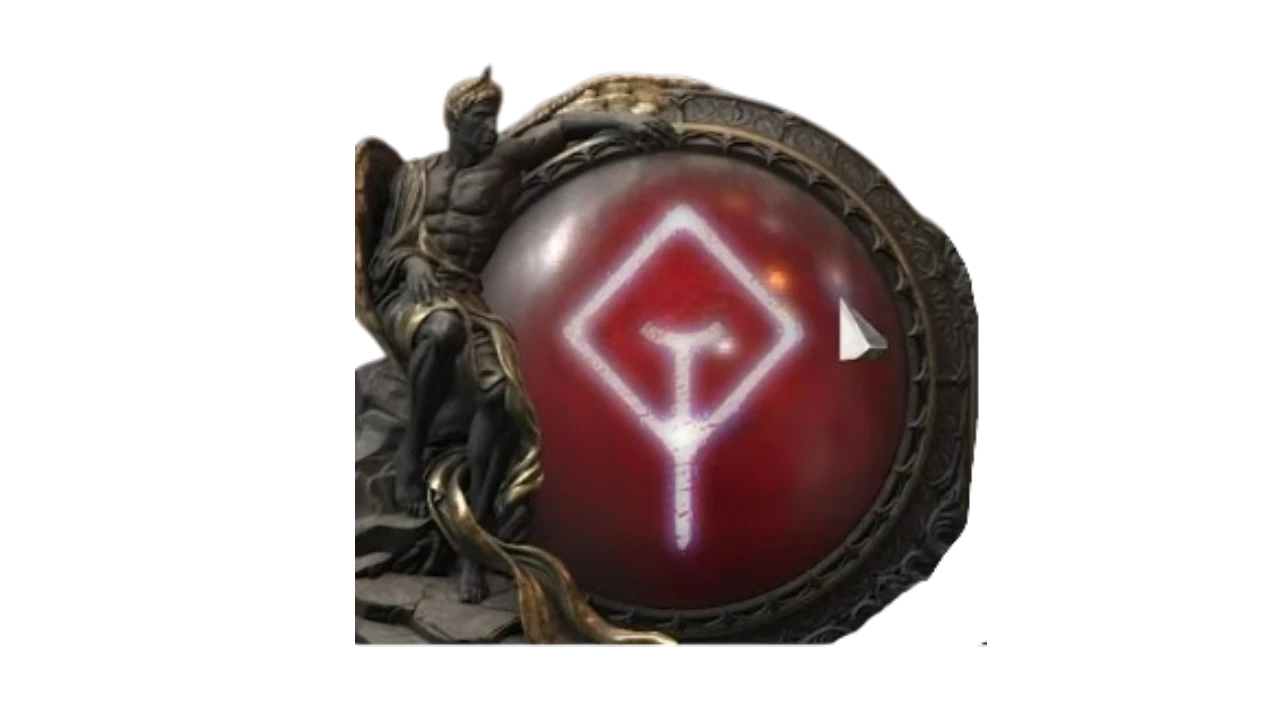
Verisium is the core crafting resource of Runes of Aldur. It drops from Ezomyte Remnant encounters and is used to craft Runic Ward onto armor items through the Verisium Anvil. Runic Ward functions as an extra life pool — after your health reaches 1, Ward absorbs the next hit, giving you a window to recover. That said, you'll still die if the hit exceeds your Ward pool before you can recover health.
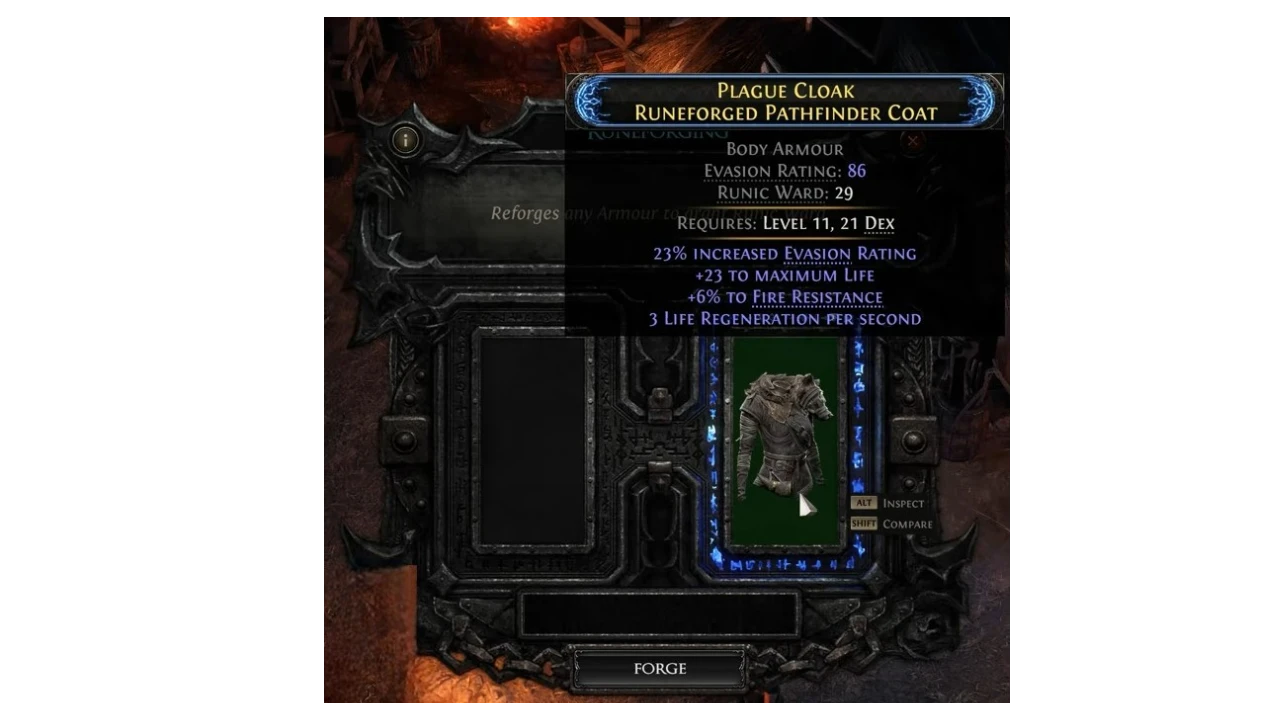
Verisium can also be used on Unique items — either to simply grant them Ward, or to alter them in interesting ways with entirely new modifiers that don't exist on their base versions.
Runic Skills — 40+ New Abilities
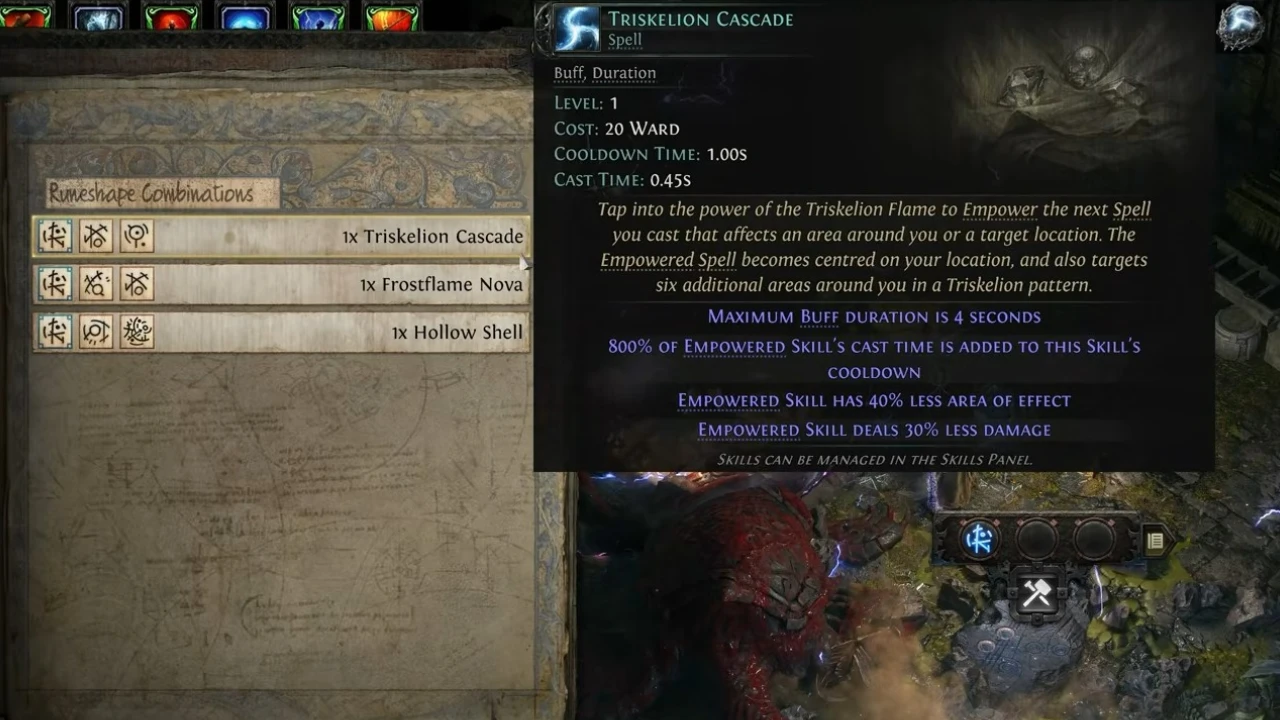
Runic Ward isn't just a defensive buffer — it also fuels an entirely new category of abilities. Dozens of new Runic Skills have been added in 0.5 which consume Ward to activate. Critically, these Skills have no Color requirement, no Attribute requirements, and work with all weapon types — making them universally accessible regardless of build archetype.
Over 40 new Kalguuran Skills, Buffs, and Supports have been added. Several Supports are designed specifically to combine with regular non-Runic Skills for special synergy effects, opening up cross-system build opportunities that didn't exist before.
Runic Alloys — Targeted Modifier Crafting
Runic Alloys are a new crafting currency that removes a random modifier from an item and replaces it with a guaranteed one — but only a modifier from the exclusive Runic Alloy pool. This gives deterministic access to modifiers that cannot be obtained through any other crafting method, making Alloys potentially valuable for build-specific targeting.
Unique Weapon Runecrafting — Mystic Refuge
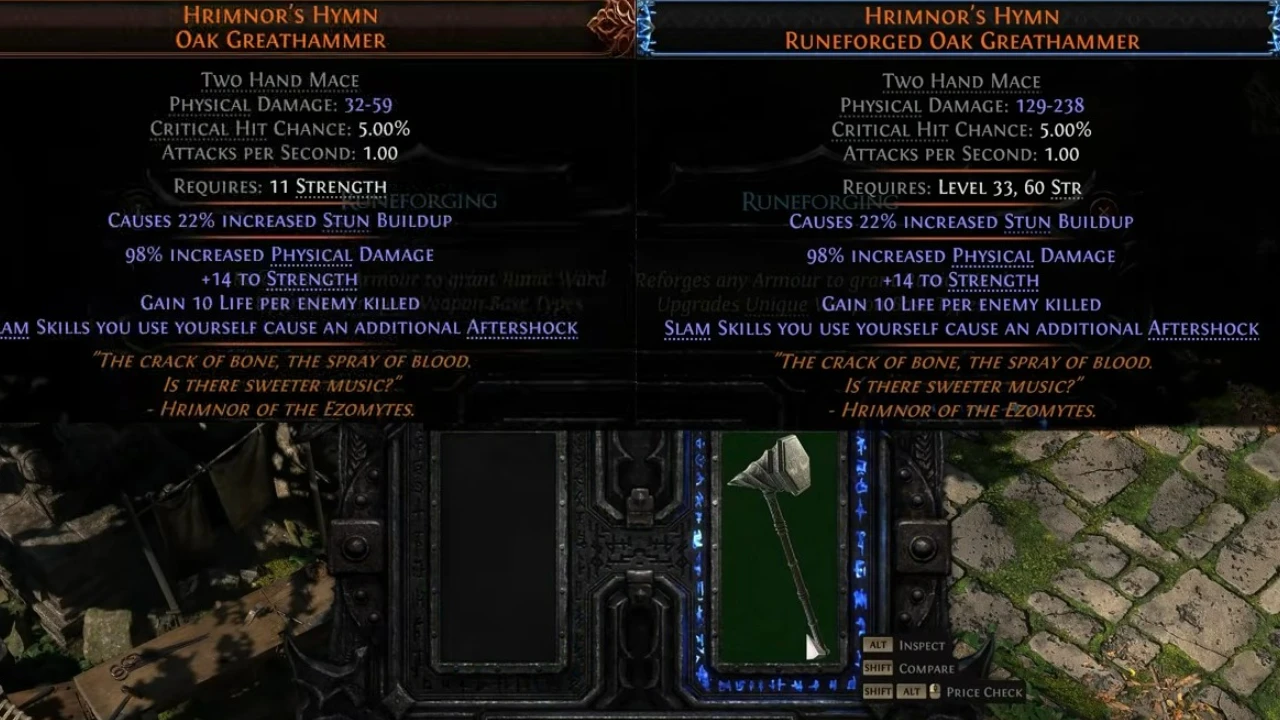
Within the jungles of Act 3, players will find the Mystic Refuge — a location that unlocks the ability to reforge Unique Kalguuran Weapons into more powerful versions of their base forms. This mechanic improves the usefulness of many Unique items that would otherwise be outscaled in endgame builds by giving them a clear upgrade path rather than a hard power ceiling.
Special Socketable Runes — The Powerful Ones
Breath of Aldur, for example, converts your Tri-Elemental Damage rolls into one giant Cold Damage roll — a potentially build-defining rune for specific cold-scaling setups.
Uhtred's Sidereus is one of the most impactful crafting runes: once socketed into an item, it allows new Chronomancy modifiers — ones that normally can't appear on items — to roll through standard crafting. Some of the higher-tier socketable runes function as meta-runes: they cannot be removed once socketed, but unlock an entirely new modifier pool exclusive to that rune's influence.
Act 4 — Runes of Aldur Merges with Expedition
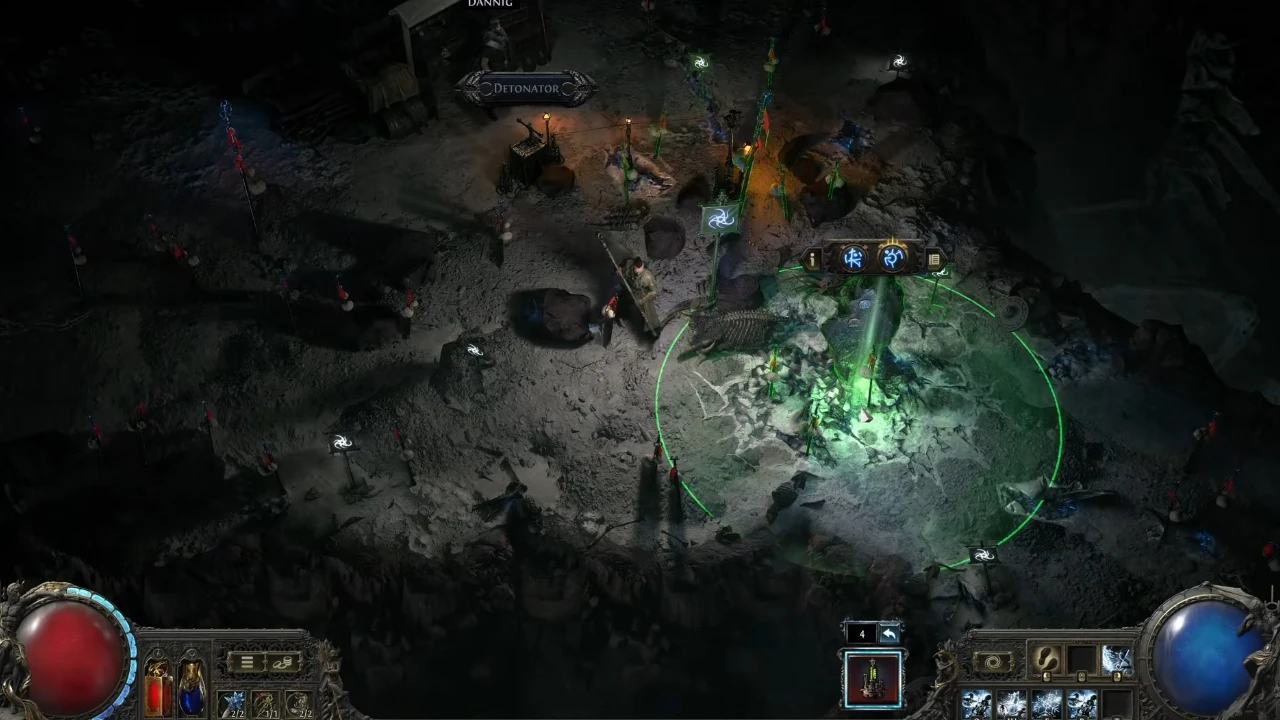
After reaching Act 4, Farrow joins forces with Danning and begins appearing across all Expedition encounters. From this point, Ezomyte Remnants integrate directly into the explosive chains you lay down during digs. Remnants within detonation range apply their rune effects to all monsters unearthed in the chain — increasing danger and reward simultaneously based on how many Remnants you include.
Rune combinations also trigger environmental hazards during Expeditions at this stage. Choosing the wrong combination in a crowded zone can result in moon-beam environmental pressure on top of the already-juiced monster waves — making Expedition planning genuinely strategic rather than purely mechanical.
Endgame — Saving Gwennen, New Islands & Pinnacle Bosses
Once players reach the endgame, a new questline unlocks where players must assist Rog in finding and saving his wife Gwennen. This questline takes players through a series of islands to the south, providing new challenges through special Expeditions, Grand Expeditions via Logbooks, and several new Bosses and Pinnacle Bosses.
Expedition Logbooks now function differently from before patch 0.5 — instead of opening a single run, they reveal a section of Atlas with maps containing Expedition encounters. This includes completely new Expedition types with new mechanics and bosses, underground tombs you can blow open and enter, and guaranteed Grand Expeditions among the island cluster.
Each island in the endgame questline has special encounter properties exclusive to that location — some might have all enemies trapped in Essences, others hide massive bosses behind destructible walls of rock. Locating Gwennen triggers a boss chain beginning with a fight against Medved.
New Pinnacle Bosses mean new Unique items. The Raven's Flock is already getting attention — it grants an effect not dissimilar to Righteous Fire in Path of Exile 1, which should make it an immediate fan favourite among players familiar with the mechanic.
POPULAR NEWS