
Deadlock Beginner's Guide — How to Play and Win Your First Matches
What Makes Deadlock Different
Most shooters give you a gun and a target. Most MOBAs give you a map and objectives. Deadlock gives you both simultaneously and expects you to manage them together.
You shoot enemies with real weapons, use hero abilities on cooldown (no mana system — abilities simply recharge), and spend Souls — the game's only currency — on items that define your power level. Every decision feeds into one goal: destroy the enemy Patron to win the match. Everything else exists to make that possible.
Movement — Your Most Important Skill
In Deadlock, how you move separates average players from good ones. Aim matters, but positioning and mobility matter more.
Sprint activates automatically when you're out of combat. The moment you take or deal damage, it cuts off. Plan your rotations around this — don't sprint into a fight expecting to keep your speed.
Stamina powers four movement tools, each with a different purpose:
- Slide jump — your primary traversal tool across the map
- Air dash — repositioning mid-fight and reaching high ground
- Wall jump — escape routes and unexpected angles of attack
- Standard dash — quick reposition in close-range scraps
Don't spam stamina charges without purpose. Two dashes burned for nothing leaves you completely exposed when someone jumps you. Every charge you spend should buy you something — distance, angle, or safety.
Ziplines are the map's transit system. Always use them when rotating between lanes. The detail most players miss: drop off a zipline using crouch (default Ctrl), not jump. Crouch drops preserve your momentum and carry you further.
Teleporters are scattered across the map and almost universally ignored by newer players. Learn their locations and build them into your rotations. The seconds they save are often the difference between contesting an objective and arriving late.
Choosing Your Hero
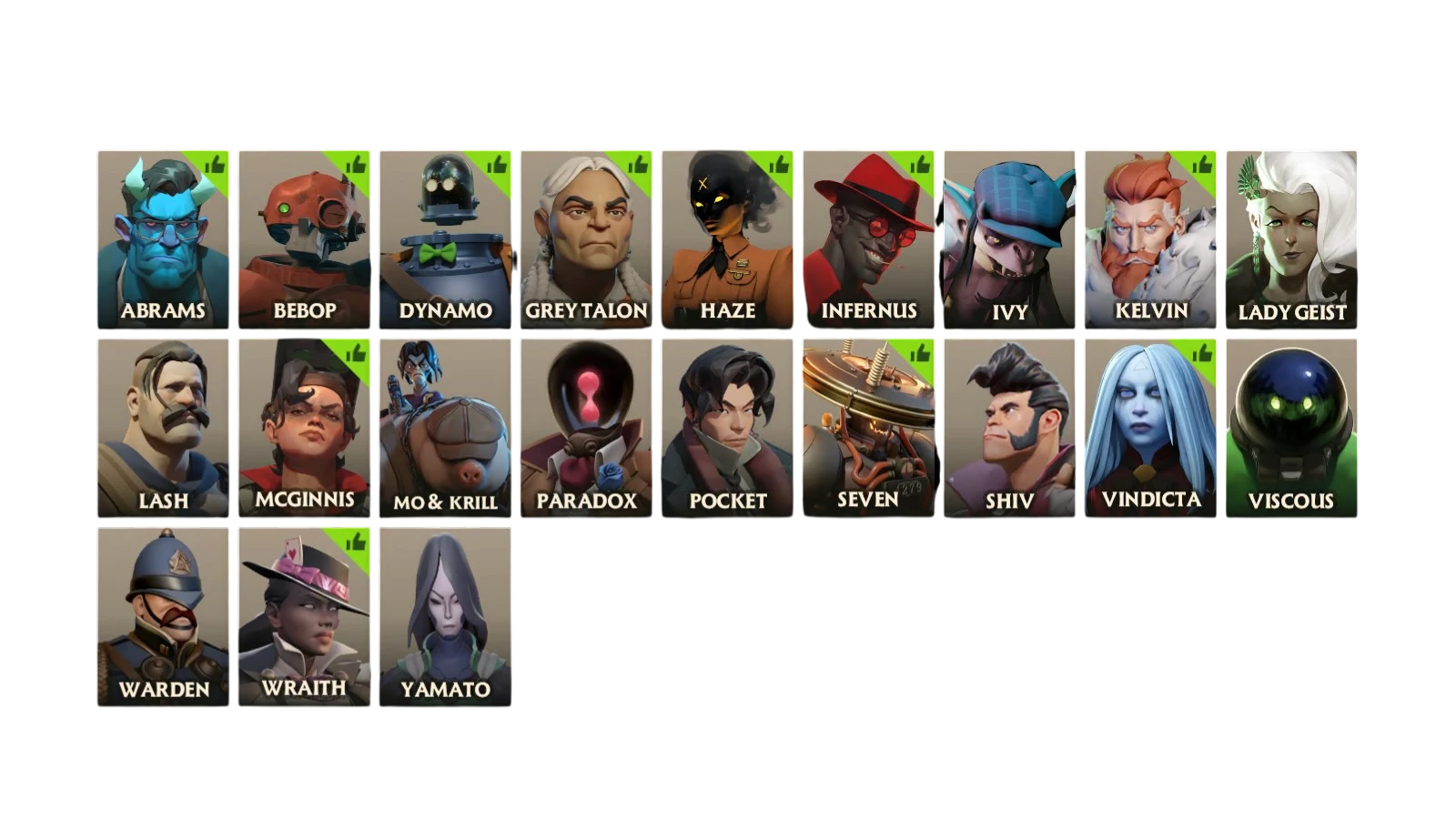
Ignore tier lists for your first few games. Pick a hero whose kit looks interesting to you. Engagement with the learning process matters more than playing the statistically optimal pick when you're still learning the map.
Good starting heroes:
Abrams — tanky, straightforward melee-focused kit. Mistakes that would kill other heroes bounce off him. Great for learning fights without dying every thirty seconds.
Mo & Krill — forgiving positioning requirements and a tank design that lets you stay in fights longer than you deserve while you figure out spacing.
McGinnis — clear, readable abilities with obvious applications. Turrets help you farm safely while you get used to the lane phase.
Harder heroes to avoid early:
Pocket — requires understanding specific ability combo orders before the kit makes sense.
Mina — precise timing and positioning requirements punish small mistakes significantly.
Vyper — high mechanical ceiling with subtle interactions that take real time to learn.
One important note: Deadlock has no traditional MOBA roles. You don't queue as support or carry. Every player picks freely and adapts their playstyle through items. Most heroes can fill multiple roles depending on what you build — don't stress about "correct" picks, focus on learning your chosen hero's timings.
Lane Phase — The First Ten Minutes
Minutes 0–10 set up everything that follows. Your job is straightforward: farm Souls from killing soldiers, and pressure the enemy laner.
How Soul collection works:
- Kill a soldier to spawn a Soul balloon above its corpse
- Shoot the balloon before an enemy can block it
- Ground Souls collect automatically when you stand nearby
- Healing soldiers drop health kits when they die — grab them
Play aggressively. Most new players sit back and play too safely, missing both Souls and experience. Make mistakes early and often — you'll develop game sense faster than if you spend your first hours farming cautiously in the back of the lane.
Always push waves toward the enemy Guardian rather than freezing the lane in the middle. Deadlock rewards forward pressure more than most MOBAs. A shoved wave under their tower forces them to stand in a bad position to farm.
Brown boxes spawn at the 2-minute mark across the map and respawn on a timer. Farm them during downtime between waves — they add up to meaningful Soul income. Golden statues near boxes give permanent character buffs. Pick them up whenever you can safely reach them.
You can parry Guardian attacks while farming. It's an advanced habit worth building early — the same timing transfers directly to team fights later.
Items — Keep It Simple Early
Don't overthink your build in the first few matches. Use a popular in-game build for your hero or follow a community guide. The item system has depth, but understanding the basics covers ninety percent of what you need.
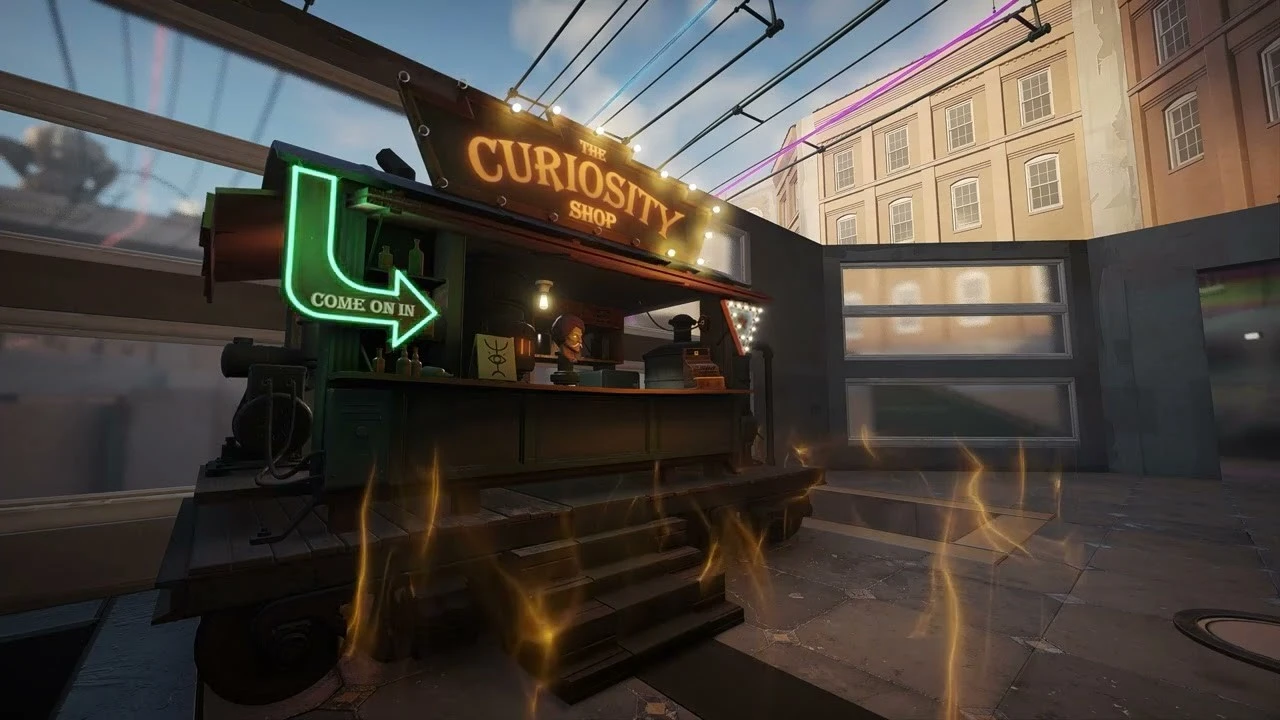
The slot system:
- You start with 9 item slots
- Each Walker you kill opens one additional slot (three total)
- More slots mean more items in the late game
This progression design means power spikes feel real without letting early snowballs become unmanageable.
The four item categories: Weapon (gun damage, fire rate, lifesteal), Vitality (health, healing, damage reduction), Spirit (ability damage, cooldown reduction), and Utility (movement, stamina, active effects). Buy items that match your hero's primary damage type and always pick up some Vitality so you don't die in two shots.
Key Objective Timings
Deadlock runs on a clock. Knowing when things happen is half the battle.
| Time |
Event |
| 2 min | Brown boxes appear across map |
| 5 min | Bridge powerups spawn (repeat every 5 min) |
| 8 min | Mid Bosses activate — major Soul rewards |
| 10 min | Urn spawns, Mid Boss goes active |
| 13–14 min | Walkers become reasonable to contest |
| 15–20 min | Flex Slots open, mid-game team fights |
Bridge powerups appear every five minutes and grant movement speed, vitality, spirit, or weapon buffs lasting 160 seconds. Use ropes or bounce pads to reach them, then heavy melee to capture. They're consistently skipped by new players and consistently taken by experienced ones.
Mid Boss sacrifices at 8 minutes give massive Soul rewards. Use heavy melee attacks on the slot-machine-like objects. Land the final heavy melee when three lights remain unlit to trigger the jackpot — four permanent golden statue buffs. It's worth stopping whatever you're doing to contest these.
One warning on jungle camps: Souls you carry from jungle farming are unbanked. If you die with them, enemies can steal them. Spend your Souls regularly rather than sitting on a pile.
Mid Game — After Minute Ten
At 10 minutes the Urn and Mid Boss activate, shifting the game into its middle phase. Don't overcomplicate it.
Priority order:
- Push soldier waves wherever you can
- Take fights when you have advantages — Soul lead, numbers, positioning
- Rotate between lanes rather than farming one area repeatedly
- Contest objectives when windows open
The Urn works like a capture-the-flag objective. Carrying it silences you completely — no abilities, no weapons, no items — but you keep stamina and melee. Candles around the Urn mark drop locations based on match state.
The mistake most players make: they ignore the Urn when their team is behind because it feels risky. The Urn gives massive Soul rewards regardless of game state. It's often your best comeback mechanic, not a bonus for the team that's winning.
Mid Boss is Deadlock's equivalent of Baron or Roshan. Killing it grants the Rejuvenator — three extra lives for your team, one per player, respawning at the location of death after a short delay. Attempt it after winning a team fight around the 15–20 minute mark. The four-minute buff duration means you don't have to act immediately after securing it.
Fighting Walkers
Walkers guard the second defensive line before the enemy base. They have two attacks that require different responses:
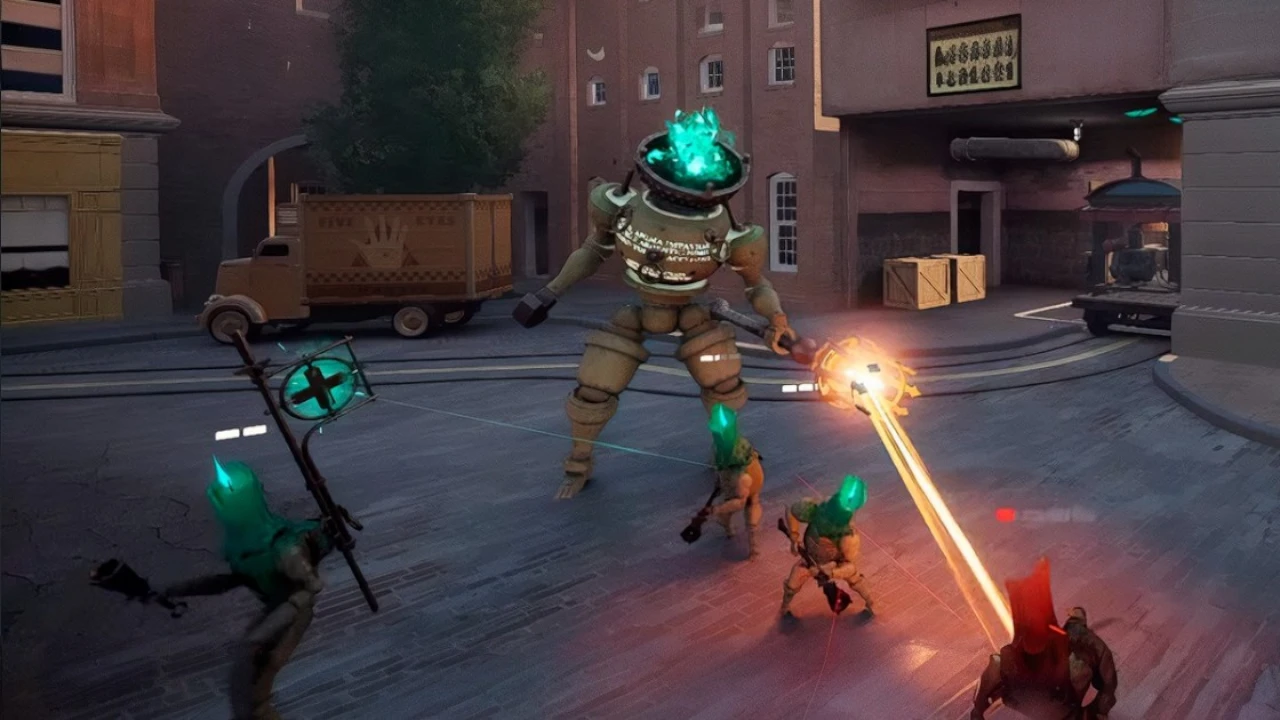
Stomp (inner circle) — massive damage with a stun. Walk outside the inner radius before it lands. Dash out if you're caught inside. This is the one that kills people who aren't paying attention.
Fireball (outer circle) — damage over time effect. Keep moving inside the outer ring to avoid it. Less dangerous than the stomp but still punishes standing still.
Don't rush Walkers before 13–14 minutes unless you have a significant advantage. They're far tankier in the early game than the numbers suggest. Each Walker kill opens one additional item slot and pays out substantial Souls. Trading one death for a Walker kill is almost always worth it.
Remaining Walkers gain health each time one of their counterparts dies. Prioritize pushing all lanes somewhat evenly when possible.
Winning — The Base Assault
Before any base assault, kill the Mid Boss. The Rejuvenator buffs give your team safety nets for the high-risk push that follows.
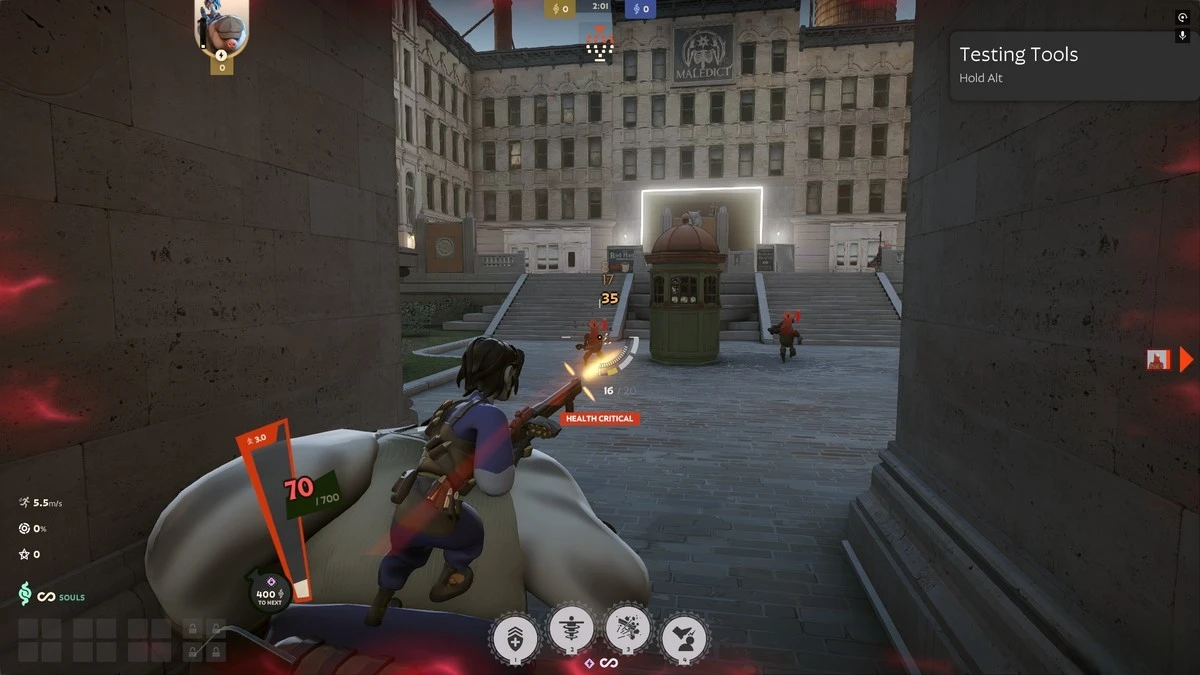
Shrines protect the Patron — both need to die before you can damage the final objective. They telegraph their cursed attack with expanding rings on the ground. When you see the rings, move out immediately or take silence and heavy damage. Heavy melee attacks on Shrines speed up their destruction alongside shooting.
The Patron has two phases:
- Phase 1 — attack from anywhere outside the ritual circle
- Phase 2 — you must stand inside the ritual circle to deal damage
- Between phases — a 10-second vulnerability window; focus everything into it
The Patron's cursed attack mirrors the Shrine — watch for expanding rings and step out fast.
The critical rule for finishing: Enemy players standing inside the ritual circle near the Patron grant it damage resistance. Two or more defenders make the Patron completely immune. You have to kill the defenders before attacking the objective. Trying to burn through both simultaneously almost never works.
One defender can sometimes be ignored while you focus the Patron. Two defenders cannot.
What Actually Wins Games
Movement fundamentals. Objective timings. Aggressive lane play. That's the full list. The complexity that looks overwhelming on the outside becomes automatic with repetition — the systems reinforce each other once they click.
Every match teaches something about positioning, decision-making, or timing that no guide can replicate. Losses in the first hours are faster learning than cautious games where nothing goes wrong. Pick a hero that interests you, follow a proven build, and focus on learning over winning.
The combination of shooting and strategy gives Deadlock a ceiling that almost no other game matches — and the floor is more accessible than it looks